

Tips for Choosing a Suitable Pallet Racking System for your Warehouse
September 17, 2021
Top Warehouse Racking Solutions: A Short Review
July 9, 2024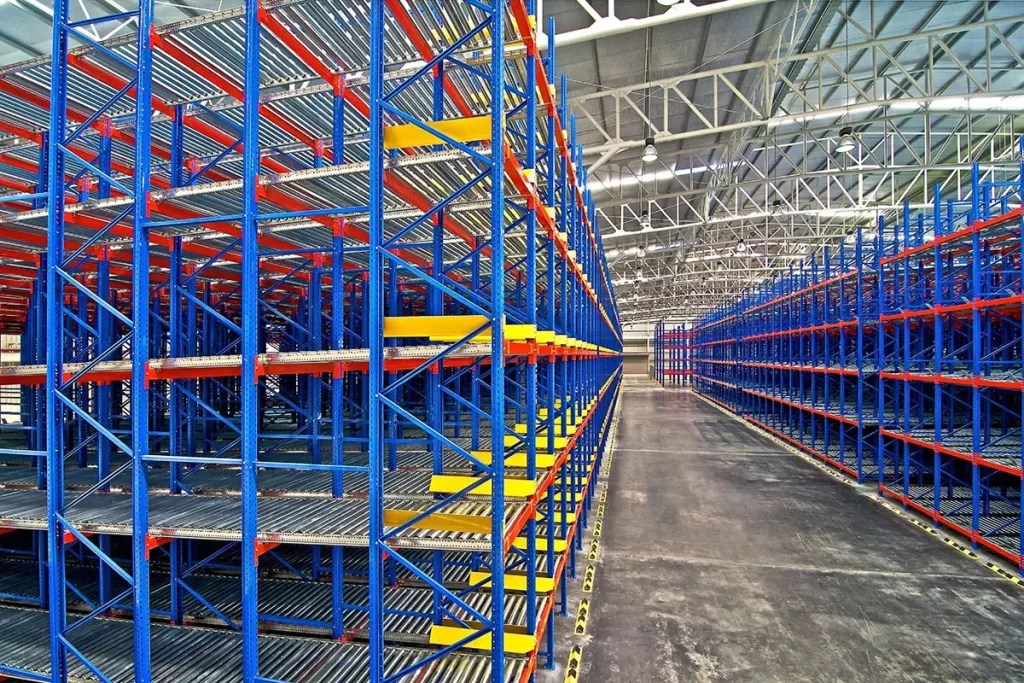
In today’s competitive industrial landscape, businesses face numerous challenges when it comes to optimising storage space, ensuring safety, and maintaining efficient operations. NTL Storage Solutions understands these challenges and offers a comprehensive range of industrial racking systems tailored to meet the unique needs of various industries in Singapore. With their expertise in providing customised solutions, commitment to safety and compliance, and wide selection of products, NTL Storage helps businesses in Singapore overcome storage hurdles and maximise productivity. By partnering with a trusted provider of racking systems in Singapore, like NTL Storage, businesses can ensure they have the right storage solution to meet their specific requirements and maintain a competitive edge in their respective industries.
What are Industrial Storage Racks?
Industrial storage racks are engineered structures designed to store and organise various types of goods, materials, and equipment in warehouses, distribution centres, and manufacturing facilities. These systems have evolved over time to cater to the industrial sector’s ever-changing needs, offering a wide range of options to suit different storage requirements.
Benefits of Implementing an Industrial Racking System
Investing in a well-designed industrial racking system offers numerous benefits, including space optimisation, enhanced safety and efficiency, and scalability and flexibility. By utilising vertical space, racking systems allow you to store more items in a smaller footprint, maximising your storage capacity. Properly installed racks ensure that goods are stored securely, reducing the risk of accidents and improving overall warehouse safety. They also facilitate more accessible access to items, increasing efficiency in retrieval and storage processes. Modular racking systems can be easily expanded or reconfigured to accommodate changing inventory levels and storage needs, providing the flexibility to adapt to your business growth.
Key Components of an Industrial Racking System

Understanding the main components of an industrial racking system is essential for making informed decisions when choosing a racking system in Singapore. Frames are vertical uprights that support the load and stabilise the structure. Beams, the horizontal members, connect the frames and create the levels for storing goods. Decking materials, such as panels or wire mesh, are used to create a flat surface on the beams for storing items. Each component ensures the racking system’s strength, durability, and functionality. When selecting a racking system in Singapore, it’s important to work with a reputable provider who can help you understand these components and choose the best system for your specific needs.
Types of Racking Systems
NTL offers various industrial racking systems tailored to specific storage needs, including selective, narrow aisle, drive-through and drive-in, and warehouse racking systems. Other options include cantilever, push-back, pallet flow, and mobile racking systems. By understanding these different types and collaborating with a reputable provider like NTL, clients can identify the ideal solution to optimise their storage space and streamline operations.
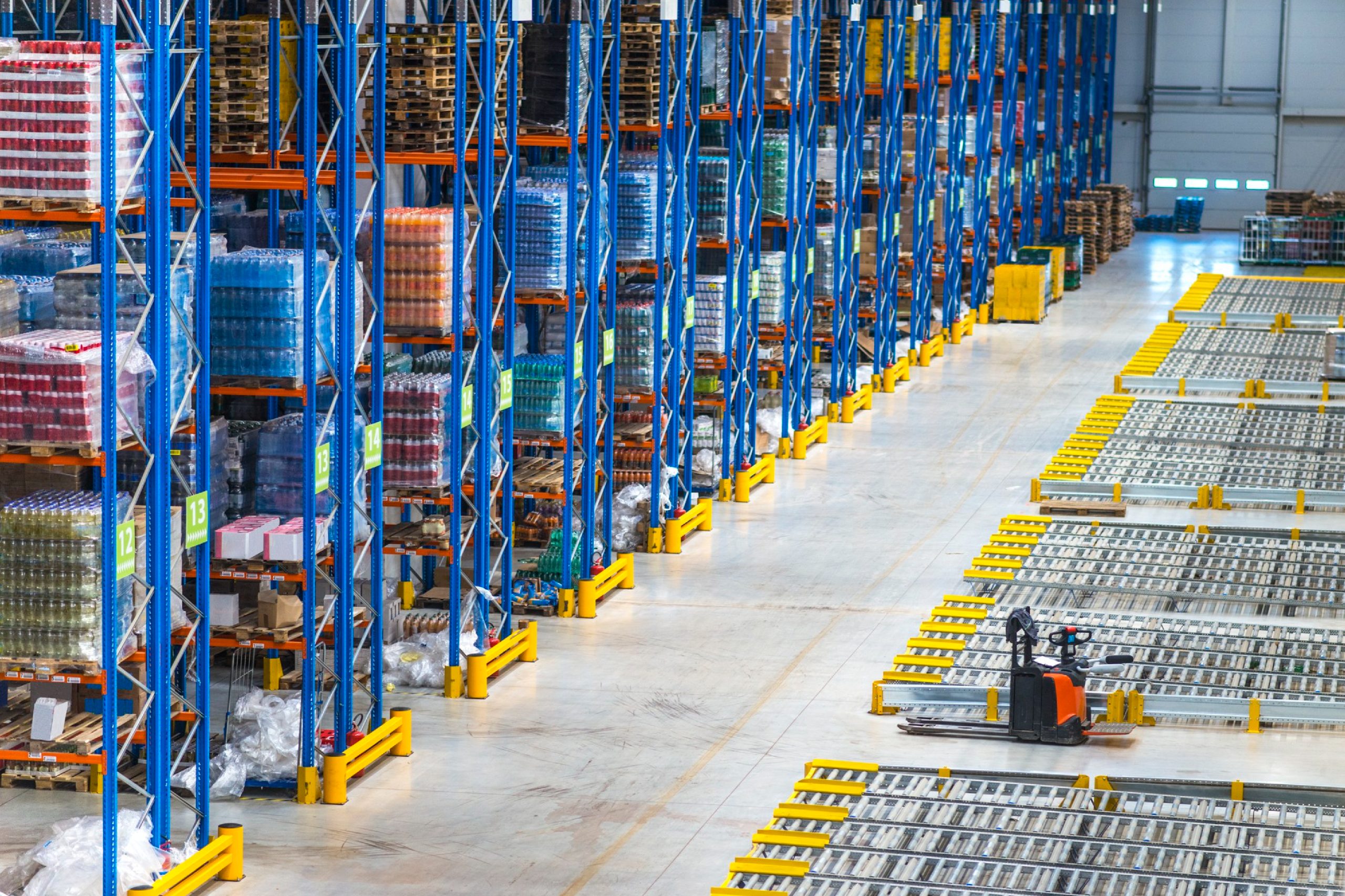
- Selective Pallet Racking: Fully adjustable for all types, sizes, and weights of pallets. Requires a small aisle width, making storing and retrieving a wide array of products practical. Ideal for low-volume storage needs.
- Very Narrow Aisle Racking: Allows for 100% product accessibility, faster pick rates, and better rotation. Aisle width is reduced up to 50%, allowing for higher overall storage capacity. Ideal for high-density storage with limited pallet redundancy.
- Drive-Through & Drive-In Racking: Maximises storage capacity by using minimum space. Pallets are stored behind and on top of each other, undivided by aisles. Ideal for storing large quantities of homogeneous products.
- Warehouse Racking Systems: Designed to hold materials and products in a warehouse or distribution centre. Maximises storage density and space utilisation by allowing products and materials to be stacked vertically on shelves, pallets, and racks.
- Double-Deep Pallet Racking: Can store up to four rows of pallets placed back to back. Operates on a LIFO (last-in, first-out) basis, making it ideal for longer-term and bulk storage in warehouses.
Choosing the Right Industrial Racking System for Your Needs
When choosing the right industrial racking system for your needs, you must consider several factors, such as the available space, budget, and access requirements. To assess your storage needs accurately, consider the types and quantities of products you need to store, their dimensions and weight, and the frequency of access required. NTL Storage Solutions, with over 20 years of experience as a trusted provider of integrated storage and space solutions, including racks and mezzanines, helps businesses across sectors islandwide enhance efficiency through their dedication to service and satisfaction. Their expertise ensures you’ll find the perfect storage solution tailored to your requirements.
Installation, Maintenance, and Safety Tips
To ensure the longevity and safety of your industrial racking system, follow best practices such as having the system installed by qualified professionals, conducting regular inspections and maintenance to identify and address any damage or wear, ensuring that staff are trained in proper loading and unloading techniques, and implementing safety protocols, such as load capacity labelling and collision protection. You can create a secure and efficient working environment by prioritising installation quality, maintenance, and safety.
Investing in the right industrial racking system is critical for any business looking to optimise its storage operations. By understanding the benefits, components, and types of racking systems available, you can make an informed choice that will enhance your warehouse efficiency, safety, and productivity. Don’t hesitate to seize this opportunity to optimise your warehouse space and enhance your storage capabilities. Contact NTL Storage Solutions today and let us help you take the first step towards improving your facility’s efficiency and productivity.

