Warehouse Aisle Width Planning: Forklift & Pallet Flow
March 22, 2026
When to Use Selective Pallet Racking in Warehouses
April 15, 2026
If you are comparing pallet racking cost Singapore, you are usually trying to understand more than a steel price. You need to know what drives cost at bay level, row level, and full layout level before asking for a serious quotation. This blog will walk you through the real cost drivers, what changes the budget, and how to read a warehouse racking quotation properly.
Warehouses rarely buy racking as a single product. They buy a storage layout that must fit pallet size, load weight, forklift movement, ceiling height, slab condition, and fire safety constraints. That is why a proper pallet racking system quotation is never just “price per bay” in isolation. NTL Storage positions pallet racking as a full design, supply, and installation solution for Singapore warehouses, not just loose rack components.
Why pallet racking cost is never one fixed number
A lot of buyers search for one market rate, but pallet racking cost changes because the rack is a structural storage system, not a standard retail product. One warehouse may need 3-level selective racking for direct pallet access. Another may need higher density lanes, tighter aisle planning, or upgraded protection around high-traffic forklift zones. Those are different jobs with different engineering, material, and installation demands.
The most common mistake is pricing by bay alone without checking whether the quoted bay uses the same upright height, beam length, beam capacity, level count, and pallet configuration. A 2-bay comparison only makes sense when the technical specification is matched. If not, the cheaper quote may simply carry less load, fewer pallet positions, or a lower frame.
What buyers usually mean by price per bay, price per row, and full layout cost
Price per bay
A bay is one storage section between two uprights, usually fitted with beam levels sized to hold one or more pallets. Bay pricing helps buyers compare steel quantity and rack specification at a small unit level. It is useful, but only for baseline comparison.
Price per row
A row is a run of connected bays. Row pricing matters more because rows include shared uprights, continuity across the layout, and the actual number of usable pallet positions. A row can look efficient on paper but lose value if aisle spacing, end protection, or turning clearance reduces real storage output.
Full warehouse layout cost
This is the number that matters in practice. Full layout cost includes design work, rack configuration, accessories, installation scope, site conditions, protection items, and operational fit. In most real projects, the best quotation is not the lowest price per bay. It is the layout that gives the best usable pallet capacity without creating access, compliance, or safety problems later.
What changes pallet racking cost in Singapore
1. Rack type changes the entire pricing logic
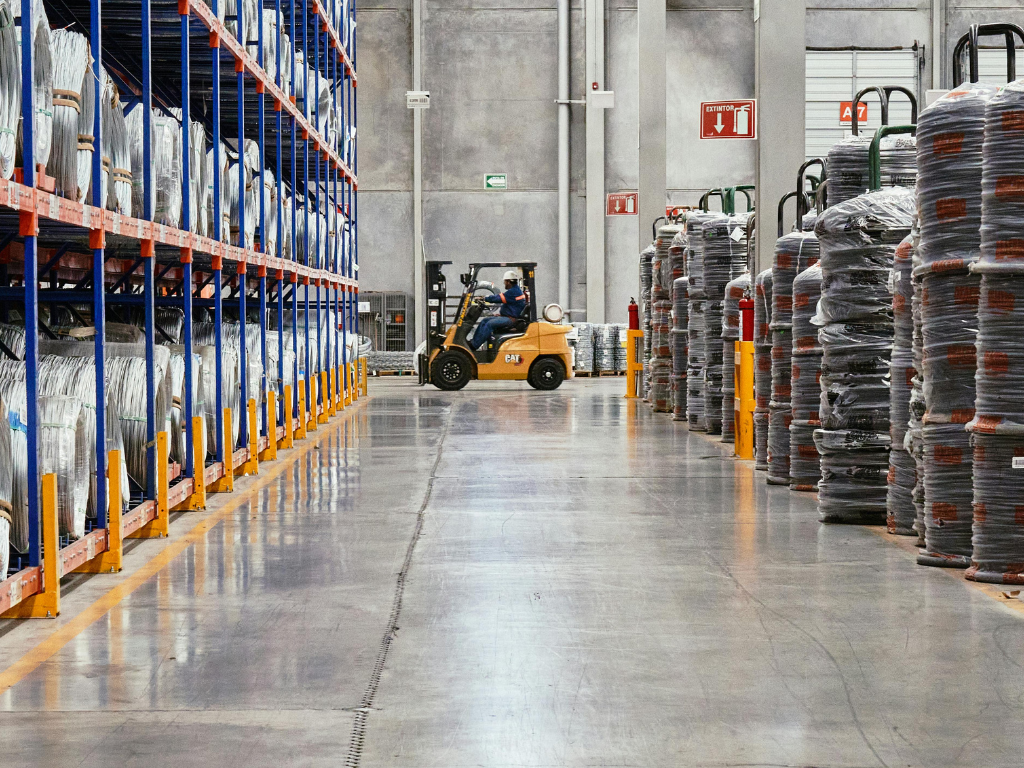
Selective racking is usually the easiest system to price and the most common benchmark because every pallet is directly accessible. That makes it practical for mixed SKU operations and faster stock rotation. Drive-in systems, double-deep layouts, and very narrow aisle designs follow a different cost structure because they trade accessibility for density, or require tighter operating conditions. NTL Storage’s service pages and live blog content reflect these differences clearly across selective, drive-in, double-deep, and VNA-related use cases.
When a buyer asks for a pallet rack quotation Singapore suppliers can issue quickly, the first cost variable is usually system type. A selective layout may use more aisles and more direct access. A denser system may reduce aisle count but increase design complexity, operating discipline, or specialised handling needs.
You can see that difference more clearly in NTL’s guide on selective vs drive in racking in Singapore, where storage density and pallet accessibility change the value equation, not just the steel count.
2. Upright height directly affects steel quantity and load demand
Higher frames usually cost more because they use more material and must handle greater structural demand. Height also changes installation conditions. A low warehouse may allow a simpler build. A taller warehouse may require different handling, more careful anchoring, and a tighter review of clearance below services or fire protection systems.
In Singapore, storage height is not just an operational question. Fire safety requirements matter too. The SCDF Fire Code requirements for warehouse occupancy state that storage height limitations must be observed, and non-sprinkler-protected warehouse storage is limited to 2.5 m in the relevant scenario. That means height planning can affect not only rack cost, but the feasibility of the intended layout.
3. Beam length and pallet format change cost per position
Beam length affects how many pallets fit per level and what beam section is required. A beam designed for two pallet positions is different from one sized for three positions or wider loads. Once pallet dimensions, overhang, and load distribution change, beam specification changes with them.
This is why a “cheaper bay” can be misleading. A short beam with lower capacity might reduce quoted cost, but also reduce pallet positions per row. The real comparison should be cost per usable pallet position, not just cost per bay.
4. Number of levels changes both capacity and installation scope
A 2-level system and a 4-level system are not close substitutes. More beam levels increase pallet capacity vertically, but also add beams, safety clips, installation time, and lifting work. In some cases, higher level counts also force closer attention to forklift reach, aisle discipline, and load placement.
For that reason, buyers planning expansion should review pallet racking load capacity before treating extra levels as a simple add-on. Beam level load, upright load, anchoring, and floor condition all shape what can be installed safely.
5. Bay count improves scale, but layout inefficiency can cancel the savings
Larger projects often benefit from better cost efficiency because repeated bay modules reduce average cost. Still, total quantity alone does not guarantee a better budget. End-of-row details, odd corners, transfer aisles, fire escape clearance, columns, dock zones, and staging areas can all reduce the number of sellable pallet positions within a given footprint.
That is why warehouse racking budget planning should start from layout efficiency, not just steel quantity. If the row lengths are awkward or forklift turning zones are poorly planned, the warehouse can spend more and still store less.
6. Installation scope is a major quotation driver
Many buyers underestimate installation scope. Yet installation often changes the final number sharply, especially when the site has restricted access, phased work requirements, existing stock to work around, or after-hours scheduling.
A proper quotation breakdown should state whether installation includes:
- unloading and on-site staging
- frame assembly and beam fixing
- anchoring to slab
- row spacers or ties where needed
- rack protectors and guards
- labelling or load notices if included
- dismantling of old racks if applicable
This is not a minor detail. The MOM WSH circular on safe use of storage racks makes clear that storage racks must be designed for intended loads, properly installed, risk assessed, and maintained. That practical reality is why professional installation is part of cost, not a side note.
7. Protection accessories raise cost, but they usually prevent bigger losses
Column guards, upright protectors, end barriers, mesh backing, and guide rails increase upfront cost. They also reduce impact damage in active forklift environments. In a warehouse that experiences repeated handling contact, leaving out protection to save budget is often false economy.
The same logic appears in the WSH Council’s warehousing guidance, which stresses good housekeeping and well-maintained racks to reduce incidents such as loads falling off racks. In real warehouses, durability and protection should be part of quotation logic, not value-engineered away too early.
8. Reconfiguration, future expansion, and mixed inventory affect current budget
Some warehouses buy only for current stock. Better buyers price for the next operating phase. If SKU mix may change, or if the site may move from bulk storage to more frequent picking, the rack layout should allow reconfiguration without major rework.
How to read a pallet rack quotation in Singapore
A serious quotation should separate product scope from project scope.
Product scope should show:
- rack type
- upright height and depth
- beam length and beam level count
- estimated pallet positions
- stated load assumptions
- included accessories
Project scope should show:
- site measurement or layout basis
- installation scope
- anchoring and protection items
- exclusions
- delivery conditions
- lead time where stated
If the quotation only gives a lump sum with no technical breakdown, it is hard to compare responsibly. Two quotations can look close in price while being completely different in load rating, pallet output, or installation inclusion.
What affects warehouse racking budget beyond the rack itself
Warehouse racking budget often expands because racking interacts with the rest of the fit-out. Floor loading, sprinkler arrangement, smoke control, traffic lanes, dock handling, and pallet staging all affect the final plan. URA also states that racking systems for storage in industrial developments may require relevant agency clearances such as BCA for structural safety and SCDF for fire safety. That does not mean every standard rack quote becomes a regulatory ordeal, but it does mean layout decisions should respect the broader facility context.
There is also a commercial reality in Singapore’s industrial market. JTC’s latest published industrial statistics show rental growth has moderated, not reversed, while occupancy remains meaningful across the sector. That matters because many operators are still under pressure to use space better instead of simply taking more space. In that environment, racking design is a space-efficiency decision tied to occupancy cost, not just a procurement line item.
What smart buyers compare before approving a racking quote
The best comparison usually comes down to five questions.
How many pallet positions am I really getting?
Compare usable pallet count, not just number of bays.
What load is the system designed for?
A lower-cost quote with weaker assumptions is not a saving.
Is the row layout operationally realistic?
Check aisle width, turning clearance, and replenishment flow.
What installation work is included?
A missing installation item often appears later as a variation.
Can the system adapt if my warehouse changes?
A rigid layout can become expensive very quickly after the first operational shift.
The practical stance
For most Singapore warehouses, the right way to assess pallet racking cost is not “What is the cheapest price per bay?” It is “What configuration gives the best storage return for my load profile, pallet count, and operating flow?” That is the commercial question that matters.
A rack is not good value because it is cheap. It is good value when the bay count, upright height, beam length, pallet positions, and installation scope are aligned to the warehouse you actually run.
Conclusion
Pallet racking cost in Singapore changes when the specification changes. Bay count matters, but so do height, beam length, level count, load demand, aisle width, protection, and installation scope.
If you are planning a new warehouse, expansion, or rack replacement, speak to NTL Storage for a quotation built around usable pallet capacity and layout efficiency, not just a headline steel price.
FAQs About Pallet Racking Cost Singapore
How much does pallet racking cost in Singapore?
There is no single market price because pallet racking cost depends on rack type, upright height, beam length, pallet positions, and installation scope. A selective racking layout and a drive-in layout can serve very different warehouse needs.
What should a pallet rack quotation in Singapore include?
A proper pallet rack quotation should show rack type, dimensions, load assumptions, pallet capacity, accessories, and installation scope. Without that breakdown, you cannot compare quotations fairly across suppliers.
Is price per bay the best way to compare quotations?
No. Price per bay is only a starting point. Cost per usable pallet position is more useful because beam length, level count, and row efficiency can change the real storage output.
Why does upright height affect racking cost?
Taller uprights usually require more material and can trigger stricter layout and clearance planning. In Singapore warehouses, storage height must also respect the relevant fire safety conditions in the building.
Why does installation scope change the final budget so much?
Installation affects labour, anchoring, site access, working conditions, protection items, and project timing. A low product price can become expensive if important installation work is excluded from the quotation.