Pallet Racking Cost Singapore: What Affects Price?
April 9, 2026
How to Choose a Warehouse Racking Contractor: 12 Questions
April 20, 2026
If you are asking when to use selective pallet racking, you are usually deciding between access speed and storage density. This blog will walk you through where selective racking fits best, what kind of warehouse operations it supports, and how to tell when it is the right layout for your SKU mix, picking flow, and replenishment needs.
Warehouses choose selective pallet racking systems when direct access to every pallet matters more than squeezing the maximum number of pallets into the same footprint. NTL Storage positions this system around one-pallet-deep access, flexible bay layouts, and easier stock handling for operational warehouses in Singapore. That makes it especially relevant for facilities with mixed inventory, frequent retrieval, and changing stock profiles.
What selective pallet racking is designed to do
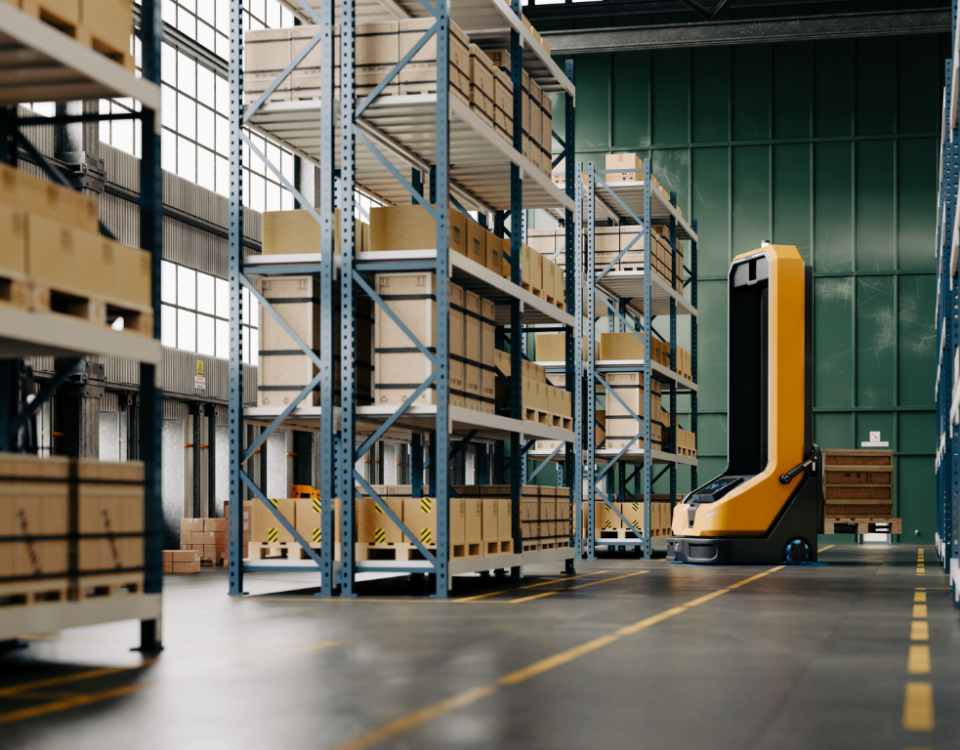
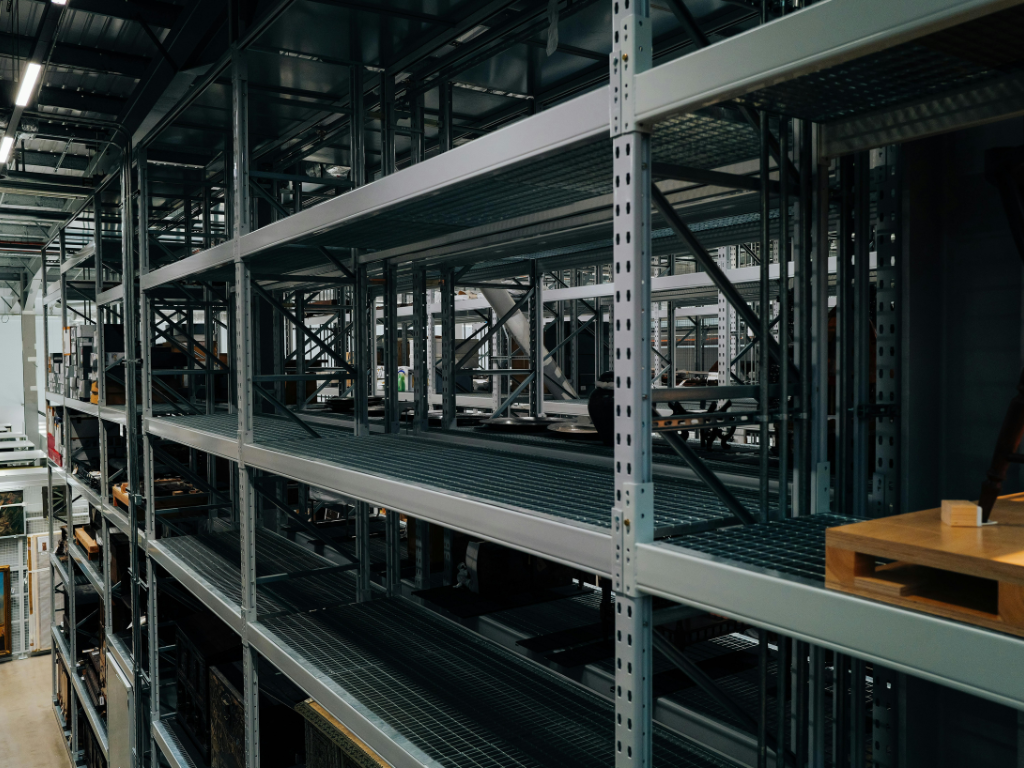
Selective pallet racking is a beam-and-upright storage system built so each pallet position can be reached directly from the aisle. That design choice affects everything downstream: forklift movement, stock visibility, replenishment timing, and picking efficiency. The main strength is not raw density. The main strength is accessibility.
In a warehouse with many SKUs, smaller pallet quantities per SKU, and regular put-away and retrieval, direct access has real operational value. A forklift operator does not need to move surrounding pallets to reach the target load. A supervisor can count stock by location more easily. A replenishment team can react faster when forward stock drops. Those are practical advantages, not brochure claims. NTL’s live system page and related comparison content both frame selective racking around that access logic.

When selective pallet racking is the right choice
Use it when SKU count is high and pallet quantity per SKU is lower
Selective racking works best when the warehouse carries many product lines and cannot dedicate deep storage lanes to a small number of repeated pallets. In a high SKU storage environment, location flexibility matters more than maximum block density. One pallet of one SKU can sit beside a different SKU without disrupting access. That is much harder to manage in denser systems built around repeated pallet blocks.
A spare-parts warehouse is a good example. So is a distributor handling mixed pallet profiles across electronics, industrial consumables, packaging, or retail replenishment stock. In those operations, the problem is rarely “how do I store one SKU as densely as possible?” The real problem is “how do I retrieve the right pallet quickly without slowing the rest of the warehouse?” Selective racking answers that problem better than lane-based systems.
Use it when direct pallet access affects daily output
A direct pallet access system is useful when teams are touching stock throughout the day, not just storing it. If pallets are retrieved often, moved across staging zones, or replenished into picking faces, accessibility has measurable value. The more often a pallet is handled, the more expensive delay becomes.
This is where selective racking often outperforms denser layouts in real working conditions. A denser system can improve cube utilisation on paper, but paper efficiency is not the same as warehouse efficiency. If the warehouse loses time every day because drivers must work around blocked access, slow lane retrieval, or tighter slotting constraints, the density gain can be cancelled by weaker throughput. NTL’s guide on selective vs drive in racking in Singapore makes that trade-off clear: one system prioritises pallet accessibility, the other prioritises density.
Use it when FIFO flow or cleaner stock rotation matters
Selective racking is usually the simpler choice when inventory rotation matters. Because each pallet can be accessed individually, operators can follow location logic and stock sequence without digging into a lane or disturbing surrounding loads. That makes the system more practical for FIFO-oriented operations, expiry-sensitive inventory, or warehouses where stock age needs closer control.
The point is not that selective racking magically fixes poor inventory control. It does not. What it does is remove a structural obstacle. The rack layout supports easier pallet selection, easier cycle counting, and clearer replenishment logic. In a warehouse where product mix changes often, that matters.
Use it when picking route efficiency matters more than maximum density
Warehouse picking efficiency depends on travel path, access clarity, and how often staff need to return to the same zones. Selective racking supports cleaner aisle-based movement because every pallet position is aisle-facing. That helps forklift operators and warehouse teams move through rows without entering deep lanes or reshuffling stored goods first.
This does come with an aisle trade-off. Selective layouts need more aisles than drive-in systems. That usually means lower storage density. Still, more aisle space is not wasted space if it helps the warehouse move faster, count faster, replenish faster, and make fewer handling errors. For operations built around throughput and mixed inventory access, aisle space often protects efficiency rather than reducing it.
When selective pallet racking is not the best fit
Selective racking is not the strongest choice when the warehouse stores large quantities of the same SKU in repeated pallet blocks and retrieval flexibility is less important than pallet density. In that case, lane-based systems can use cube space more aggressively by reducing aisle count. NTL’s comparison content states this clearly: drive-in layouts usually suit lower SKU count, repeated bulk pallet storage, and density-led design.
That is why system selection should start with operating pattern, not product catalogue labels. If the warehouse is mostly bulk reserve stock, selective racking may be too access-heavy for the job. If the warehouse serves mixed orders and frequent pallet movement, high density alone is usually the wrong design priority.
A useful supporting read here is drive-in vs selective pallet racking in Singapore, which lays out the same contrast in practical terms: accessibility, density, SKU profile, and retrieval speed should be weighed together rather than as isolated features.
What warehouse conditions usually point to selective racking
High SKU warehouse with changing slotting needs
A warehouse that changes slotting regularly should not lock itself into a rigid storage pattern too early. Selective racking gives more flexibility because bay and beam configurations can support mixed pallet locations across a changing inventory profile. That adaptability is one reason it remains one of the most common warehouse racking formats.
Frequent replenishment from reserve storage to picking areas
Replenishment speed matters when forward pick faces need regular top-up from reserve pallets. A one-pallet-deep, aisle-facing layout reduces delay at the point where reserve stock must be accessed quickly. Slow replenishment creates stockouts in the picking zone even when the warehouse is physically holding inventory. Selective racking reduces that access friction.
Mixed pallet sizes and operational changes over time
Warehouses rarely stay static. New product lines come in. Pallet dimensions change. Order profiles change. Business units expand into the same facility. In that setting, a flexible layout is often worth more than the theoretical density advantage of a tighter system. NTL’s broader guide to managing inventory with racking systems supports this directly by tying selective pallet racking to many-SKU operations and efficient inventory rotation.
The operational trade-off: access versus density
The mistake is not choosing selective racking. The mistake is choosing it for the wrong reason. Selective racking should be chosen when pallet accessibility improves the total warehouse workflow enough to justify the extra aisle space. That is the real decision line.
A dense system can produce a better pallet-per-square-metre figure. A selective system can produce a better working warehouse. Those are not the same outcome. The right measure is whether the layout supports the actual job: order fulfilment, stock rotation, replenishment timing, and handling speed.
If the operation is under space pressure, that question matters even more. JTC’s 4Q 2025 industrial market report shows overall industrial occupancy at 88.7%, with rental increases continuing at a slower pace rather than reversing. In practical terms, many occupiers still need to use warehouse space more carefully, not simply assume more space is cheap or easy to take. That makes layout efficiency a commercial decision, not just a technical one. JTC’s Quarterly Market Report for 4Q 2025 supports that space-pressure context.
Safety, access, and why correct selective design matters
Selective racking is access-friendly, but it still has to be designed and installed correctly. Beam levels, upright loading, aisle use, pallet condition, and impact protection all affect long-term performance. The safer system is not the one with the best sales label. It is the one that matches the load profile, operator behaviour, and warehouse conditions.
Singapore’s Ministry of Manpower states in its WSH circular on safe use of storage racks that storage racks should be designed for intended loads, properly installed, regularly inspected, and supported by safe work procedures and load awareness. That matters for selective racking because easy access often leads teams to assume the system is operationally simple. It is simpler to access, not simpler to ignore.
Fire planning also affects how much storage height and staging freedom a warehouse actually has. The SCDF Fire Code requirements for warehouse occupancy set storage height limitations and related conditions for warehouse use. That means rack choice should be checked against building and fire constraints, not just warehouse demand.
A practical way to decide
Selective pallet racking is usually the right setup when these conditions are true:
Your warehouse carries many SKUs
Each SKU holds fewer pallet positions, so direct access matters more than lane depth.
Your team retrieves pallets frequently
Daily movement, quick replenishment, and fast response matter more than maximum cube fill.
Your operation values flexible slotting
The inventory profile changes enough that rigid dense storage would slow the warehouse down.
Your workflow depends on cleaner aisle access
Pallet accessibility and picking route clarity support better warehouse picking efficiency.
If those conditions do not describe the operation, another system may fit better. A useful broader comparison is different types of racking systems, which shows how density-led systems differ from direct-access formats in purpose and layout behaviour.
Conclusion
Selective pallet racking earns its place when access speed, SKU variety, and replenishment flexibility matter every day. It is not the densest option. It is often the more workable one.
If your warehouse handles mixed inventory, frequent retrieval, or ongoing slotting changes, speak to NTL Storage about a selective racking layout built around real pallet flow, not just theoretical capacity.
FAQs About When To Use Selective Pallet Racking
When should a warehouse use selective pallet racking?
Use selective pallet racking when the operation needs direct access to every pallet, especially in a high SKU warehouse with frequent retrieval and replenishment. NTL Storage positions it for flexible access rather than maximum density.
Is selective racking good for high SKU storage?
Yes. Selective racking for high SKU warehouse operations works well because one-pallet-deep access makes it easier to store many product lines without blocking retrieval of nearby pallets.
Does selective racking improve warehouse picking efficiency?
It often does, because every pallet faces an aisle and is easier to reach. That supports cleaner picking routes, faster replenishment, and less delay during put-away and retrieval.
What is the main trade-off with selective pallet racking?
The main trade-off is aisle space. Selective racking gives stronger pallet accessibility, but it usually stores fewer pallets in the same footprint than drive-in systems.
Is selective racking suitable for bulk storage?
Usually not as the first choice if the warehouse stores large repeated pallet blocks of the same SKU. Bulk storage often favours denser systems with fewer aisles.