Rack Inspection Singapore: Safety & Repair Guide
March 3, 2026
Warehouse Aisle Width Planning: Forklift & Pallet Flow
March 22, 2026
Small and mid-sized warehouses in Singapore outgrow generic advice fast. The choice between shelving vs longspan vs pallet racking shapes picking speed, floor density, and how forklifts and pickers move every shift. This blog will walk you through how each system actually performs, and where a longspan shelving system fits between the two extremes.
Three systems built for three different operating models
Shelving, longspan, and pallet racking each match a specific way goods move. Get the match wrong and the cost shows up in slow picking, wasted aisles, or compromised safety.
Boltless shelving is built for hand-loaded cartons, files, and small parts. Beam capacities sit between 80 kg and 150 kg per level. It is the cheapest per bay, the fastest to install, and the easiest to reconfigure. SME stockrooms, archive rooms, and parts counters across Singapore run on it.
Longspan sits in the middle. Beams are wider (1,500 mm to 2,400 mm) and shelves carry 200 kg to 600 kg. That makes it the right structure for hand-loaded inventory that is heavier or bulkier than boltless can handle. Tools, packaged components, and medium-weight cartons are the usual stock.
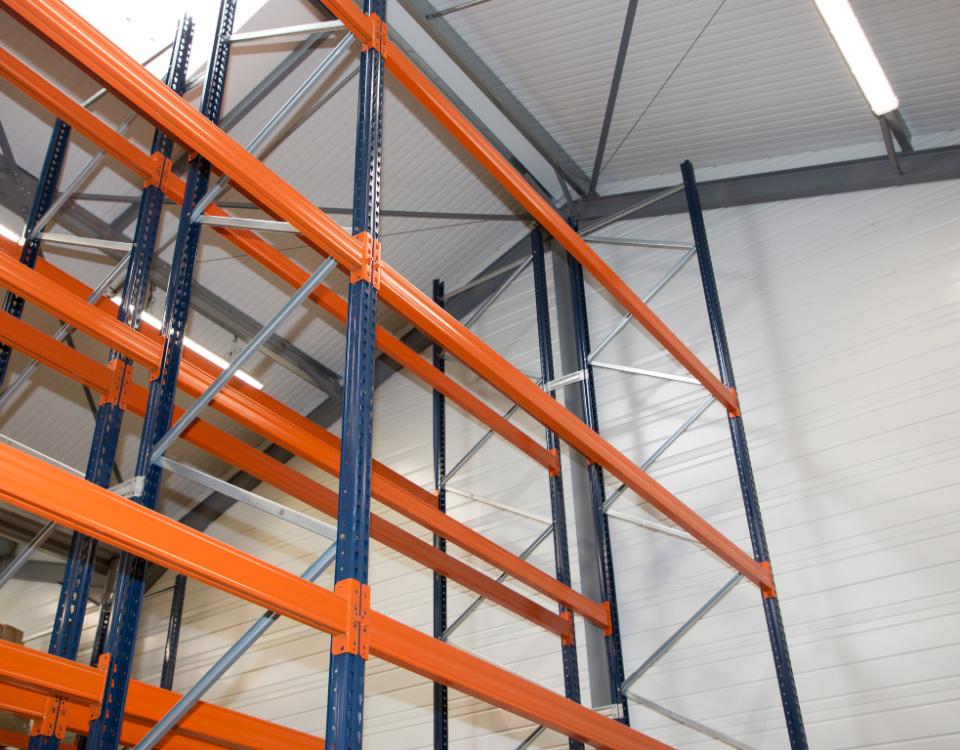
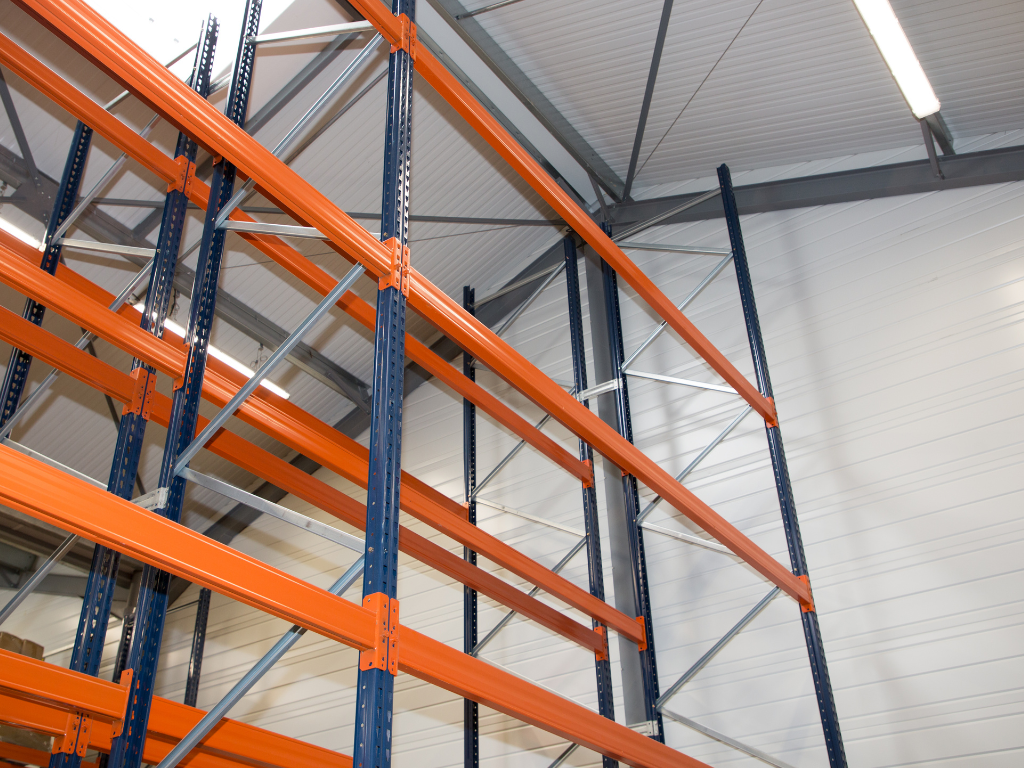
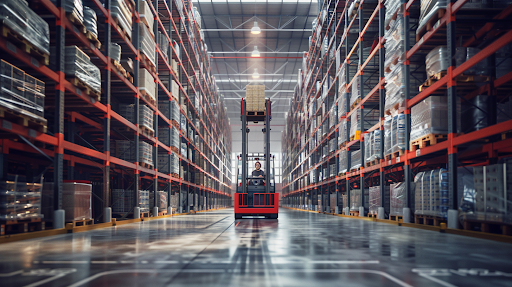
Pallet racking is built around the forklift. A standard pallet racking beam holds 1,500 kg to 3,000 kg per pair, sized to fit a 1,000 x 1,200 mm or 1,100 x 1,100 mm pallet footprint, the two most common in Singapore. If goods arrive and leave on pallets, they belong here. NTL Storage covers the full range of pallet racking systems for SME and industrial sites.
Where shelving still beats both alternatives
Boltless shelving is the right answer more often than operators expect. The strengths are speed and flexibility. A bay assembles in under an hour without bolts. Shelf heights adjust without tools. The whole structure knocks down for relocation when leases change.
The honest limit is load and height. Once SKUs cross 100 kg per shelf or cartons exceed 600 mm in depth, frames flex and picking slows. Stacking above 2.4 m introduces manual handling risk that the WSH Council guidelines on safe storage treats as a leading cause of warehouse injury.
Where boltless still wins:
- Stockrooms under 200 sqm with mixed SKU sizes
- Spare parts counters with high pick frequency and low load
- Archive and back-of-house storage in retail or healthcare
For a working example of where boltless beats heavier alternatives, the boltless shelving for small warehouses guide walks through specific cut-off points by load and SKU profile.
Why longspan is the workhorse SMEs miss
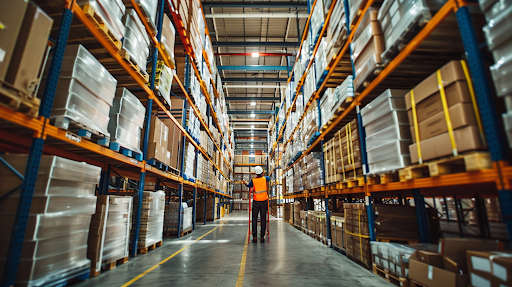
Longspan shelving is the upgrade most SME operators arrive at after boltless starts to fail. The structure uses thicker uprights and beams, with steel or chipboard decks rated for medium loads. Pickers reach inventory directly, so no forklift or pump truck is needed during normal operation.
Three signals that longspan is the right call:
- Stock is hand-loaded but heavier than 100 kg per shelf
- Carton sizes vary, requiring flexible beam pitch
- SKU variety is high but pallet quantities are low
Singapore SMEs in spare parts distribution, e-commerce fulfilment, hardware supply, and tooling tend to land here. They carry too much variety to justify pallet racking, and too much weight for boltless. A correctly specified longspan setup handles 250 kg to 500 kg per level in most builds, which covers the bulk of mid-weight carton and component storage.
Picking efficiency is the underrated win. A picker working a longspan aisle can clear 60 to 100 SKUs an hour without ever stopping for material handling equipment. The same SKU profile on pallet racking forces ground-level picks only or a costly pick-tower setup. Match the system to the picking method and labour cost drops on its own.
Pallet racking earns its place when forklifts are non-negotiable
Pallet racking is the right choice when goods arrive and ship in pallet quantities. The math is simple. If a SKU needs forklift loading, only selective pallet racking or its denser variants (drive-in, double-deep, very narrow aisle) will work.
Selective is the SME default. Every pallet is directly accessible, which suits operations with many SKUs and frequent stock rotation. Density is lower than drive-in, but selectivity is higher and forklift cycle times stay short.
Load capacity is the single most important spec to confirm before signing a quote. Beam ratings vary by length and profile, and a 2,700 mm beam rated for 2,000 kg per pair will fail under three 1,000 kg pallets even though the math looks fine on paper. The pallet racking load capacity guide breaks down how to read beam tables and avoid this trap.
Aisle width has to be planned around the forklift, not the rack. A counterbalance forklift needs 3.2 m to 3.5 m aisles, while a reach truck operates in 2.6 m to 2.9 m. Building a rack layout without confirming the MHE fleet is the most common cause of post-installation rework.
How to choose: a five-step framework for SME warehouses
Most SME operators get the right answer faster when they work through five questions in order.
1. What is the heaviest single load per shelf?
Under 100 kg points to boltless. Between 100 kg and 600 kg points to longspan. Above that, only pallet racking will hold up safely.
2. How does stock arrive and leave?
Hand-carried or trolley-loaded means shelving or longspan. Forklift-loaded means pallet racking. Mixed flow is normal in SME warehouses, and a hybrid layout is often the right answer.
3. What is the SKU profile?
High variety with low quantity per SKU favours shelving and longspan. Low variety with high quantity per SKU favours pallet racking, especially drive-in or double-deep for bulk storage of identical pallets.
4. What is the picking method?
Each-level picking by hand calls for shelving or longspan. Pallet-level picking with a forklift or reach truck calls for pallet racking. The picking method has more impact on labour cost than the rack itself.
5. What is the floor space and clear height?
Boltless typically tops out around 2.4 m for safe hand loading. Longspan extends to 3 m to 4 m comfortably. Pallet racking with a reach truck reaches 8 m to 10 m, and very narrow aisle systems push beyond that. SS EN 15512 and the design codes published by SEMA cover the structural requirements that any racking installer in Singapore should follow.
For warehouses running mixed flows, the practical answer is usually a hybrid: pallet racking for bulk storage, longspan for medium-weight picking, and a dedicated boltless zone for fast-moving small SKUs.
Making the right call for your warehouse
The right system is the one that matches load, picking method, and SKU profile, not the one that fills the most floor space. Boltless still wins for hand-loaded variety. Longspan covers the medium-weight middle ground that most SMEs actually live in. Pallet racking remains the only safe answer for forklift-loaded pallet flow.
If you are planning a new warehouse fit-out or a layout refresh in Singapore, the NTL Storage team can survey the site, model the SKU and pallet flow, and specify a configuration that fits the way you actually pick.
Frequently Asked Questions
What is the main difference between longspan and pallet racking?
Longspan shelving is built for hand-loaded inventory with shelf loads from 200 kg to 600 kg, while pallet racking is engineered for forklift loading at 1,500 kg to 3,000 kg per beam pair. The simplest test is whether a forklift is needed during pick or put-away.
Which racking system is best for a small warehouse?
Most SME warehouses in Singapore run a hybrid setup. Boltless shelving handles small parts and fast-moving stock, longspan covers medium-weight cartons, and selective pallet racking holds bulk pallets. The right mix depends on SKU profile, picking method, and average load per shelf.
Can I mix shelving, longspan, and pallet racking in one warehouse?
Yes, and most efficient SME warehouses do. A typical layout pairs pallet racking for bulk storage with longspan or boltless shelving in a dedicated picking zone. Aisle widths must be planned around the heaviest material handling equipment in use to avoid rework.
How much weight can longspan shelving hold?
A standard longspan shelving system carries 200 kg to 600 kg per shelf level, depending on beam length, profile, and deck type. NTL Storage configurations typically handle 250 kg to 500 kg, which suits most spare parts, packaging, and medium-weight carton storage.
Do I need a forklift for longspan shelving?
No. Longspan is designed for hand or trolley loading. Pickers reach inventory directly without material handling equipment, which is one reason longspan delivers faster pick rates than pallet racking for high-SKU operations. Pallet racking is the system that requires forklift access.