Warehouse Racking System Durability: How to Extend Lifespan
July 3, 2025Choosing The Right Warehouse Racking System Guide
August 22, 2025Advantages Of High-Density Storage Racking Systems

High-density storage racking systems deliver transformative advantages by maximising warehouse space utilisation and significantly reducing operational costs. These advanced storage solutions can increase storage capacity by up to 85% compared to traditional racking methods while improving picking efficiency by 40-60%.
Modern warehouses face unprecedented challenges with rising real estate costs and exponentially growing inventory volumes. High-density storage systems address these pressures by leveraging vertical space, minimising aisle requirements, and integrating sophisticated automation technologies that revolutionise warehouse operations.
Space Optimization Benefits
Maximum Storage Capacity Utilization
High-density racking systems eliminate wasted floor space by requiring fewer aisles between storage rows. By reducing aisle width and maximising vertical storage potential, these systems can increase storage capacity by 60-85% within the same physical footprint.
This dramatic space enhancement enables businesses to store significantly more inventory without costly facility expansions. The vertical storage approach transforms limited warehouse footprints into highly efficient storage facilities.
Efficient Floor Space Management
Traditional static shelving systems waste substantial workspace through fixed aisles that occupy valuable floor area. High-density mobile shelving virtually eliminates these wasted aisles, creating more open and productive work environments.
The recovered space can be repurposed for additional workstations, customer-facing areas, or new operational projects. This space efficiency becomes particularly valuable in urban locations where real estate costs continue escalating.
Cost-Effectiveness Advantages
Reduced Facility Operating Expenses
High-density storage systems significantly lower heating, cooling, and lighting expenses through reduced physical footprints. Cold storage facilities benefit particularly from minimised refrigerated areas, resulting in substantial energy consumption reductions.
These operational savings compound over time, providing a measurable return on investment within the first operational year. The automation inherent in high-density systems minimises labour costs while enhancing inventory accuracy, reducing workplace injuries, and associated insurance costs.
Long-Term Investment Value
High-density storage systems offer modular and scalable designs that adapt to changing business requirements. Companies can easily customise shelving layouts, adjust configurations, or add capacity without complete system replacement.
This adaptability protects the initial investment while accommodating business growth and evolving storage needs. The systems provide excellent return on investment through increased storage density, reduced labour requirements, and improved operational efficiency.
Operational Efficiency Improvements
Enhanced Inventory Management
High-density storage systems support sophisticated inventory control methods, including batch storage and expiration-date-based organisation. These capabilities enable FIFO (first in, first out) or LIFO (last in, first out) inventory rotation strategies that improve stock turnover rates.
The streamlined organisation reduces picking errors and accelerates order fulfilment processes. Workers can locate and retrieve items more efficiently, reducing average picking times and improving customer satisfaction through faster delivery schedules.
Automated Retrieval Capabilities
Automated Storage and Retrieval Systems (AS/RS) and Vertical Lift Modules (VLMs) transform traditional picking processes. These technologies reduce human error while accelerating item retrieval, resulting in 40-60% improvement in picking efficiency.
Integration with warehouse management software creates seamless operational workflows that optimise storage assignments and retrieval sequences. The system automatically selects optimal storage locations based on item characteristics, access frequency, and operational efficiency metrics.
Types and Applications
Double Deep Storage Solutions
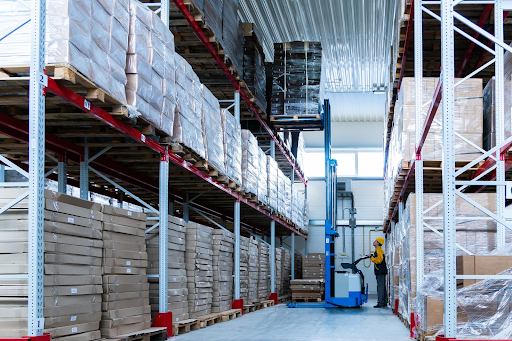
Double deep pallet rack configurations represent an accessible entry point into high-density storage technology. These systems allow pallets to be stored two-deep on each side of aisles, increasing storage capacity by up to 40% compared to traditional selective racks.
While requiring specialised handling equipment, the investment delivers substantial space savings for moderate-volume operations. This configuration works particularly well for businesses with consistent product lines and predictable inventory patterns.
Drive-In and Push Back Systems
Drive-in pallet racks represent the ultimate high-density storage solution by eliminating most aisles through direct forklift access. These systems can increase storage capacity by up to 75% compared to traditional configurations, making them ideal for cold storage facilities and bulk storage operations.
Push back rack systems utilise inclined rails and nested carts that allow pallets to be pushed back when new inventory arrives. Gravity automatically brings remaining pallets forward when items are removed, maintaining good stock rotation while maximising storage density through ingenious mechanical design.
Implementation Considerations
Facility Assessment Requirements
Successful high-density storage implementation requires thorough facility evaluation, including ceiling heights, floor load capacities, and existing infrastructure capabilities. Professional assessment ensures optimal system selection that maximises benefits while maintaining safety standards.
The evaluation process should consider future expansion plans and operational changes that might affect system performance. Proper planning prevents costly modifications after installation while ensuring the system delivers expected operational benefits throughout its service life.
Training and Change Management
High-density storage systems require comprehensive staff training on new equipment operation and safety procedures. Successful implementation depends on employee adoption and proper system utilisation that maximises operational benefits.
Training programs should cover both technical operation and strategic advantages to ensure full organisational buy-in. Change management processes help organisations transition smoothly from traditional storage methods to high-density solutions.
Conclusion
High-density storage racking systems deliver transformative advantages through maximum space utilisation, substantial cost reductions, and dramatic operational efficiency improvements. These systems enable businesses to increase storage capacity by up to 85% while reducing operating expenses and improving inventory management accuracy.
The investment in high-density storage technology provides both immediate operational benefits and long-term competitive advantages. Our team specialises in designing and implementing customised high-density storage solutions that maximise your operational efficiency and return on investment.