The Role Of Wire Decking In Racking Systems
August 26, 2025
Warehouse Racking Installation Timeline in Singapore
March 3, 2026Used Racking Systems vs New Purchase: Complete Guide
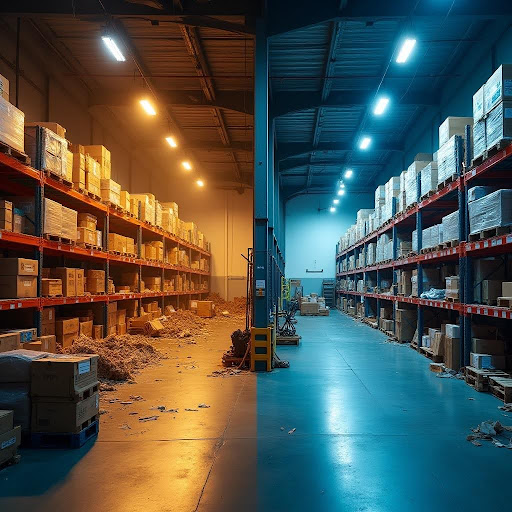
When choosing between used racking systems and new purchases for your warehouse, the decision ultimately depends on your budget, timeline, and operational requirements. Used systems typically offer 20-40% cost savings and immediate availability, while new systems provide complete customisation and longer warranties.
The warehouse storage industry has evolved significantly, with both used and new racking systems offering distinct advantages for different business scenarios. Understanding these differences helps warehouse managers make informed decisions that align with their operational goals and financial constraints.
Cost Analysis and Budget Considerations
Upfront Investment Differences
Used warehouse racking systems deliver substantial cost savings, with refurbished options offering approximately 20% savings compared to new installations. These savings become even more significant for large-scale warehouse operations where hundreds or thousands of rack components are required.
New racking systems require higher upfront investment but provide long-term value through extended warranties and guaranteed performance standards. The initial cost includes not only the racking components but also customisation fees, shipping expenses, and specialised installation requirements.
Total Cost of Ownership
While used systems offer immediate savings, businesses must consider potential maintenance costs and shorter remaining lifespan when calculating total ownership expenses. New systems typically require minimal maintenance during their first decade of operation, reducing ongoing operational costs.
Used racking may require more frequent inspections and component replacements, particularly if the previous usage was intensive or in harsh environmental conditions. However, quality refurbished systems that undergo proper inspection and reconditioning can provide reliable service comparable to new installations.
Timeline and Availability Factors
Delivery Speed Comparison
Used racking systems offer immediate availability, with most installations completed within weeks rather than months. This rapid deployment capability makes used systems ideal for businesses facing urgent expansion needs or seasonal storage requirements.
New racking systems currently face extended lead times due to manufacturing delays and supply chain challenges affecting the industrial equipment sector. These delays can range from several weeks to months, depending on customisation requirements and manufacturer capacity.
Installation Timeline Considerations
Used systems often require less complex installation processes since they typically use standard configurations that warehouse teams can implement quickly. The simplified installation reduces labour costs and minimises disruption to ongoing warehouse operations.
New racking installations may require more extensive planning and coordination, particularly when integrating with existing warehouse management systems or building modifications. However, this additional complexity often results in optimised layouts that improve long-term operational efficiency.
Customisation and Flexibility Options
Design Adaptability
New racking systems provide unlimited customisation options, allowing businesses to design storage solutions that perfectly match their inventory requirements and workflow patterns. This flexibility includes specialised accessories, unique spacing configurations, and integration with automated storage systems.
Used racking systems offer limited customisation options since they come in predetermined configurations based on their previous applications. While this limitation reduces flexibility, it also simplifies the selection process for businesses with standard storage needs.
Future Expansion Capabilities
New installations provide a better foundation for future warehouse expansions, with manufacturers offering compatible components and accessories for system growth. This scalability ensures consistent appearance and structural integrity as storage needs evolve.
Used systems may present challenges when expanding, as finding matching components becomes increasingly difficult over time. However, experienced suppliers often maintain an inventory of compatible used components to support customer expansion needs.
Quality and Safety Standards
Structural Integrity Assessment
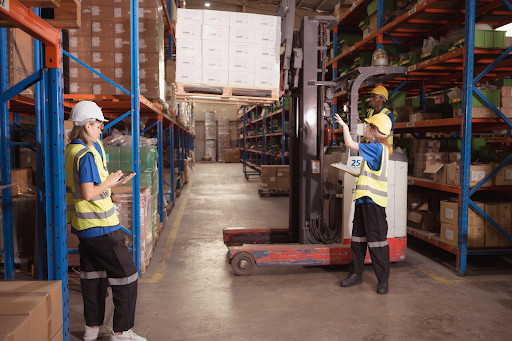
Quality used racking undergoes thorough inspection and refurbishment processes, including powder coating and structural analysis to ensure safety compliance. Reputable suppliers provide detailed inspection reports and certifications demonstrating that used systems meet current industry standards.
New racking systems incorporate the latest safety features and building code requirements, providing maximum protection for warehouse personnel and stored inventory. These systems include advanced engineering specifications and materials designed to exceed current safety standards.
Warranty and Support Coverage
New racking systems typically include comprehensive manufacturer warranties covering defects and performance issues for extended periods. This warranty protection provides peace of mind and financial protection against unexpected system failures or component defects.
Used racking suppliers offer varying warranty terms, with quality refurbished systems including warranties against manufacturer defects for up to three years. While these warranties may be shorter than new system coverage, they still provide valuable protection for the investment.
Environmental Impact and Sustainability
Carbon Footprint Considerations
Used racking systems contribute to environmental sustainability by extending product lifecycles and reducing manufacturing demand for new steel components. This approach aligns with corporate sustainability goals while delivering practical storage solutions.
The refurbishment process requires significantly less energy than manufacturing new racking components, resulting in lower overall carbon emissions per installation. Many businesses now consider environmental impact as a key factor in their equipment purchasing decisions.
Waste Reduction Benefits
Purchasing used racking prevents functional components from entering waste streams, supporting circular economy principles within the industrial storage sector. This approach demonstrates corporate environmental responsibility while achieving operational objectives.
Used racking systems often incorporate high-quality steel that can be refurbished multiple times throughout their lifecycle, maximising material utilisation. The durability of properly maintained racking components makes them excellent candidates for reuse across different warehouse applications.
Decision Framework for Your Business
Operational Requirements Assessment
Businesses with complex storage needs, specialised inventory requirements, or integration with automated systems typically benefit from new racking installations. These operations require precise specifications and customisation that used systems may not accommodate.
Standard storage operations with flexible requirements can achieve excellent results with quality used racking systems, particularly when cost optimisation is a primary concern. The key is matching system capabilities with actual operational needs rather than aspirational requirements.
Risk Tolerance Evaluation
Conservative businesses that prioritise guaranteed performance and maximum warranty protection should consider new racking systems despite higher costs. This approach minimises operational risks and provides predictable performance throughout the system lifecycle.
Companies comfortable with slightly higher risk tolerance can achieve significant savings through used racking purchases from reputable suppliers with strong inspection processes. The key is working with experienced partners who understand quality assessment and system reliability.
Conclusion
The choice between used racking systems and new purchases depends on balancing cost savings, timeline requirements, customisation needs, and risk tolerance for your specific warehouse operation. Used systems excel in cost-effective solutions with immediate availability, while new systems provide maximum customisation and warranty protection.
Successful warehouse managers evaluate their current needs, future expansion plans, and operational constraints before making this important decision. Our team specialises in helping businesses navigate these considerations and select the optimal racking solution for their unique requirements, whether used or new systems best serve their operational goals.